
Case StudiesHow Tice Can Help
Case StudyFlour Beetle Infestation
Overview
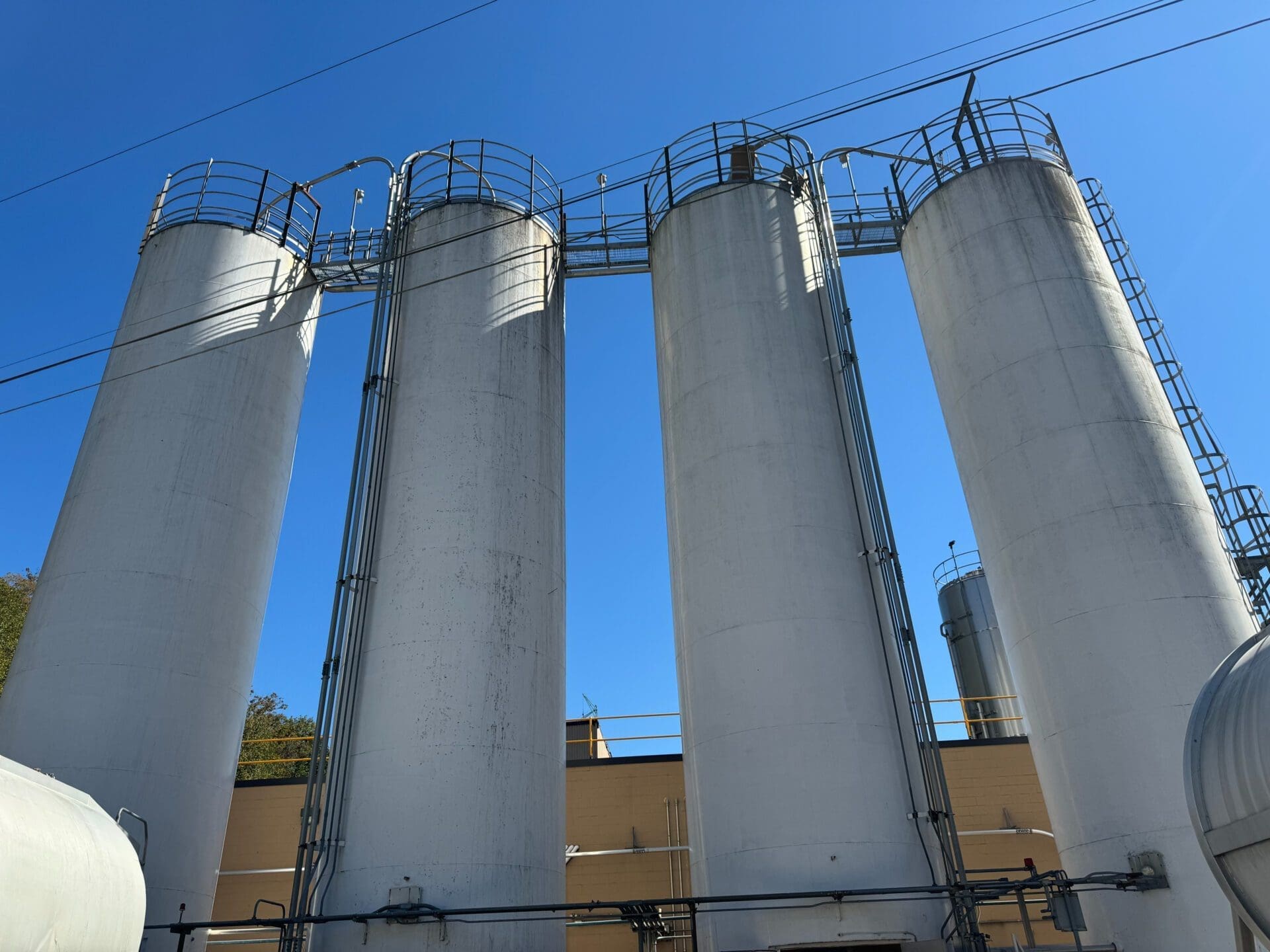
A food-manufacturing plant found flour beetles in two storage silos and dry residues on roof and wall ledges. Contaminated product was quarantined; remediation combined confined-space cleaning, product removal, structural repairs, and licensed pesticide/fumigation treatments.
Challenge
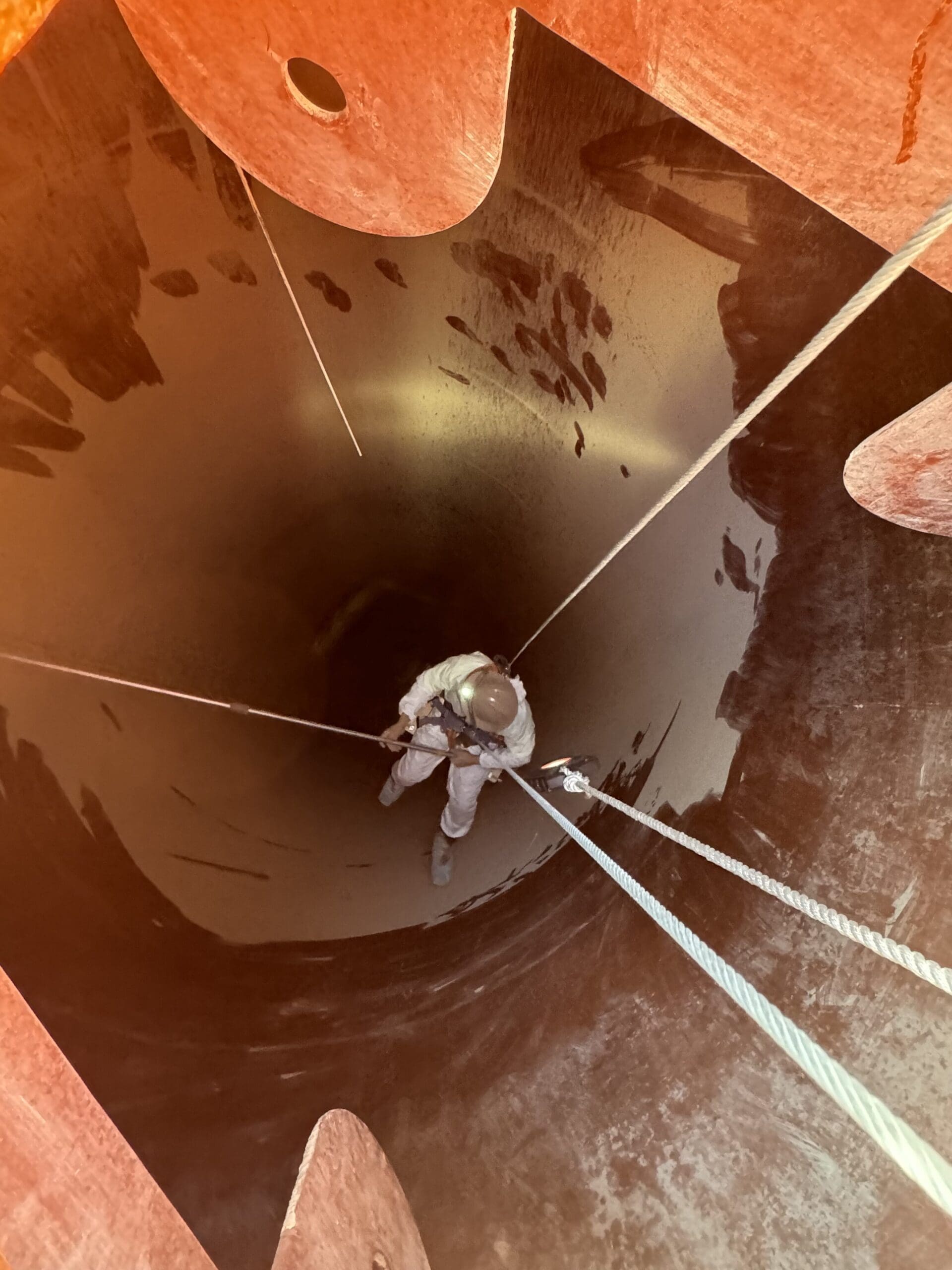
Full harborage in silo hopper cones and ledges created inaccessible nesting sites. Confined-space entry was required to remove compacted residues safely while preventing contamination, ensuring worker safety, and minimizing production downtime.
Solution
- Quarantined affected silos; removed contaminated product.
- Performed confined-space risk assessment, lockout/tagout, ventilation, gas monitoring, harnessing, and rescue readiness before internal entry.
- Conducted deep mechanical cleaning inside silos, roofs, walls, conveyors; used vacuuming, and scraping.
- Licensed pest professionals applied label-approved residuals to non-food-contact areas and fumigated emptied silos per regulations.
Results
- Trap counts and samples returned to baseline in 6–8 weeks; no recurrence in 12 months.
- Confined-space cleaning completed without incident; production impact minimized through contingency measures.
Case StudySilo Blockage from Sugar Extract
Overview
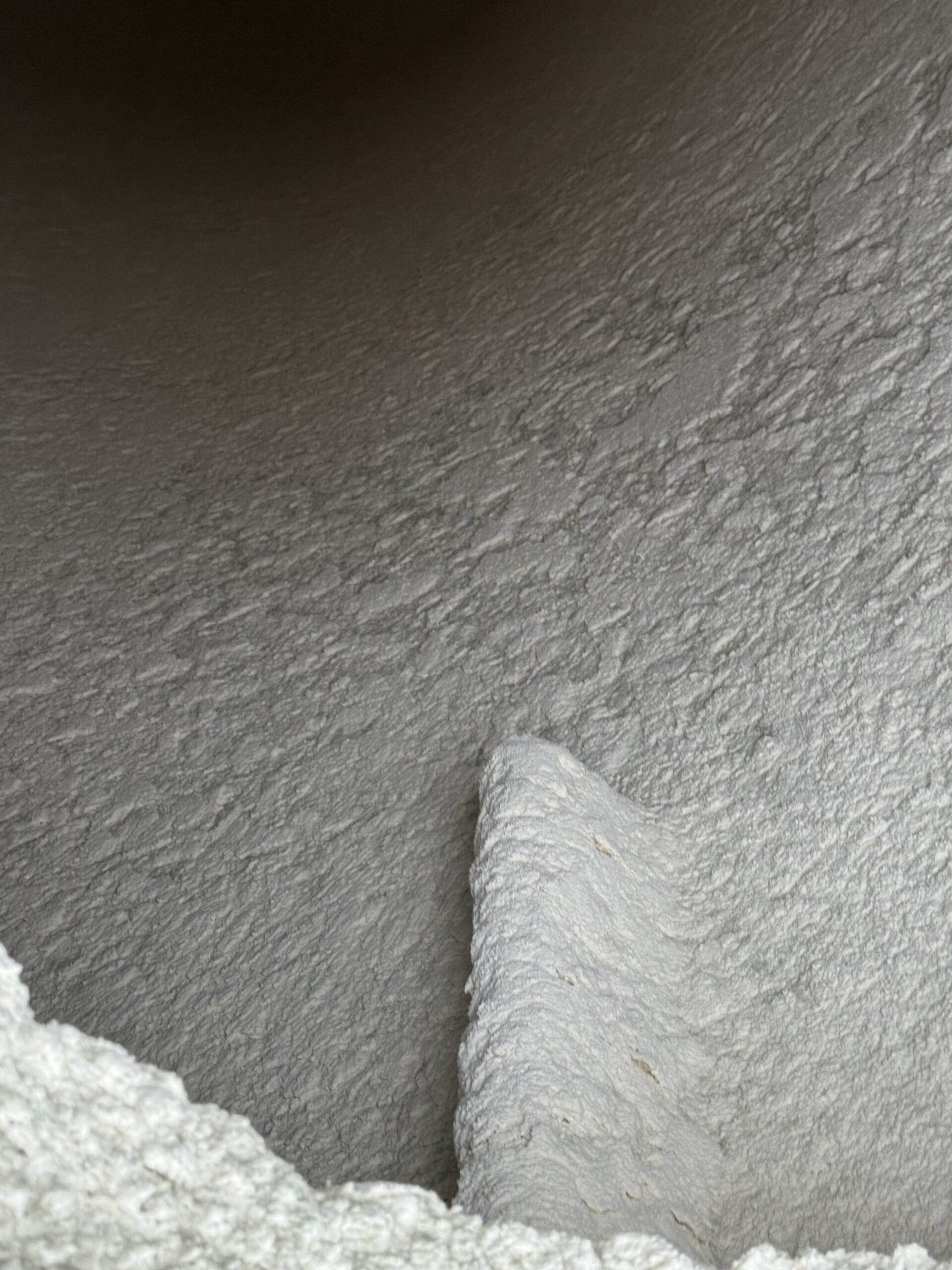
A food-manufacturing plant experienced a 100% silo blockage caused by crystallized sugar extract, stopping discharge and halting production.
Challenge
Solidified chunks adhered to the hopper and lower walls, inaccessible without confined-space entry and risking contamination and structural strain.
Solution
- Performed hazard assessment and full confined-space cleaning protocols (permit, lockout/tagout, ventilation, gas monitoring, harness/rescue).
- Isolated silo and set containment to protect adjacent equipment.
- Conducted confined-space cleaning using controlled high-pressure hydro-cutting, mechanical scraping, and vacuuming; remote lance used where possible to limit entry time.
- Contained, collected, and disposed of removed material; inspected, dried, sanitized, and repaired minor lining abrasions.
Results
- Silo flow fully restored within planned multi-shift work.
- Confined-space cleaning completed without incident; no structural damage or contamination found.
- Production resumed with minimal long-term impact.

Case StudyExhaust Fire from Oil & Carbon Buildup
Overview
A food-manufacturing plant experienced a minor fire in its ventilation/exhaust system caused by accumulated oil and carbon deposits. The fire was contained, but operations were disrupted and the exhaust system required comprehensive cleaning to eliminate the fire risk.
Challenge
Heavy oily carbon buildup in ducts, hoods, and exhaust fans created ignition-prone hot spots and restricted airflow. Access was limited in duct runs and fan housings, and the team needed to remove deposits safely without prolonged downtime or damage to equipment.
Solution
- Emergency response: isolated equipment, secured utilities, and confirmed safe conditions with the plant’s safety and maintenance teams before work began.
- Risk controls: implemented lockout/tagout, confined-space procedures where required, ventilation, and PPE for cleaning crews.
- Cleaning approach: combined high-pressure hydro-wash with mechanical methods to dissolve and remove oily carbon from hoods, duct interiors, fan housings, and outlet stacks.
- Containment & disposal: captured runoff and solids with containment systems and recovered waste for proper disposal per regulations.
- Post-clean verification: inspected ducts, borescoped hard-to-reach sections, and confirmed no remaining ignition sources.
Outcome
- Exhaust system cleared of combustible deposits; airflow and fan performance restored.
- No recurrence of fire; production resumed with minimal long-term disruption.
- Safety and compliance improved through verified cleaning and documentation.
Case StudyRoaster Fire and Confined-Space Remediation
Overview
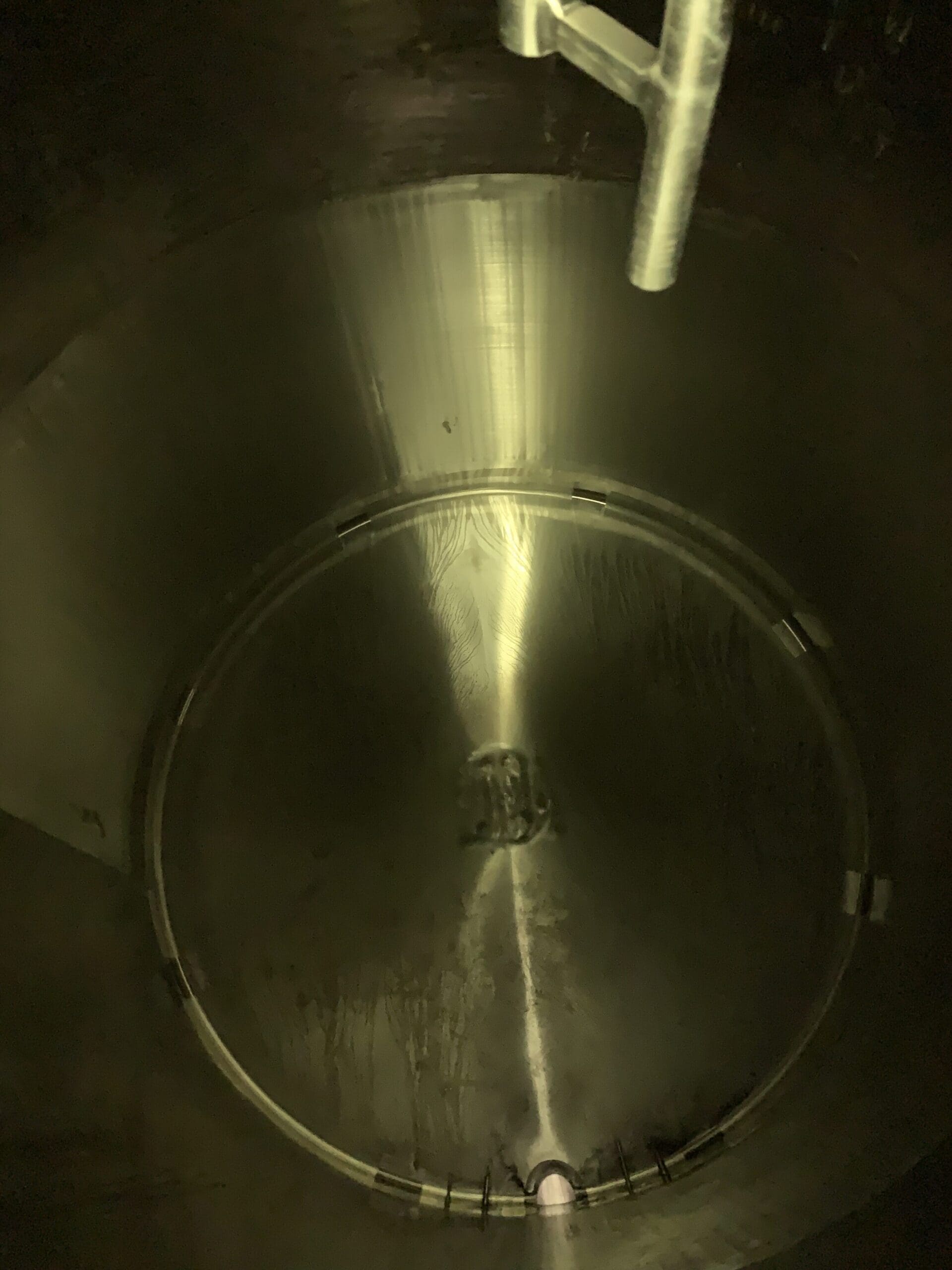
A food-manufacturing plant experienced a minor fire inside a production roaster. The fire was contained, but soot, charred residues, and heat-damaged deposits required safe, thorough cleaning before the roaster could return to service.
Challenge
Residues localized inside the roaster created food-safety and operational risks. Access was restricted, requiring confined-space entry with strict controls to protect workers and prevent secondary contamination or equipment damage.
Response
- Safety & planning: performed hazard assessment, established confined-space entry procedures, lockout/tagout, ventilation, gas monitoring, and rescue readiness; coordinated with plant safety and maintenance.
- Isolation & prep: isolated the roaster, removed combustible debris, and set containment to prevent contamination of adjacent equipment and production areas.
CLEANING METHODS:
- Mechanical scraping to remove char and hardened deposits from drum surfaces, baffles, and access ports.
- Application of food-safe foam cleaners to loosen soot and oil residues; dwell time optimized per product and surface.
- Controlled washing/rinse cycles to remove loosened material, with immediate vacuuming and drainage capture to contain effluent.
- Finishing: detailed wipe-downs of critical food-contact areas, borescope inspection of hard-to-reach zones, and verification of seals, bearings, and sensors for damage.
- Documentation & testing: photographed before/after conditions, collected swab samples for microbiological/ATP testing, and ran trial cycles to verify performance and food-safety acceptance.
Outcome
- Roaster restored to acceptable hygienic and operational condition without equipment damage.
- No contamination events following re-start; production resumed after verification testing and safety clearances.
- Job completed with no confined-space incidents due to strict adherence to safety protocols.
Case ReportListeria Detection Response
Overview
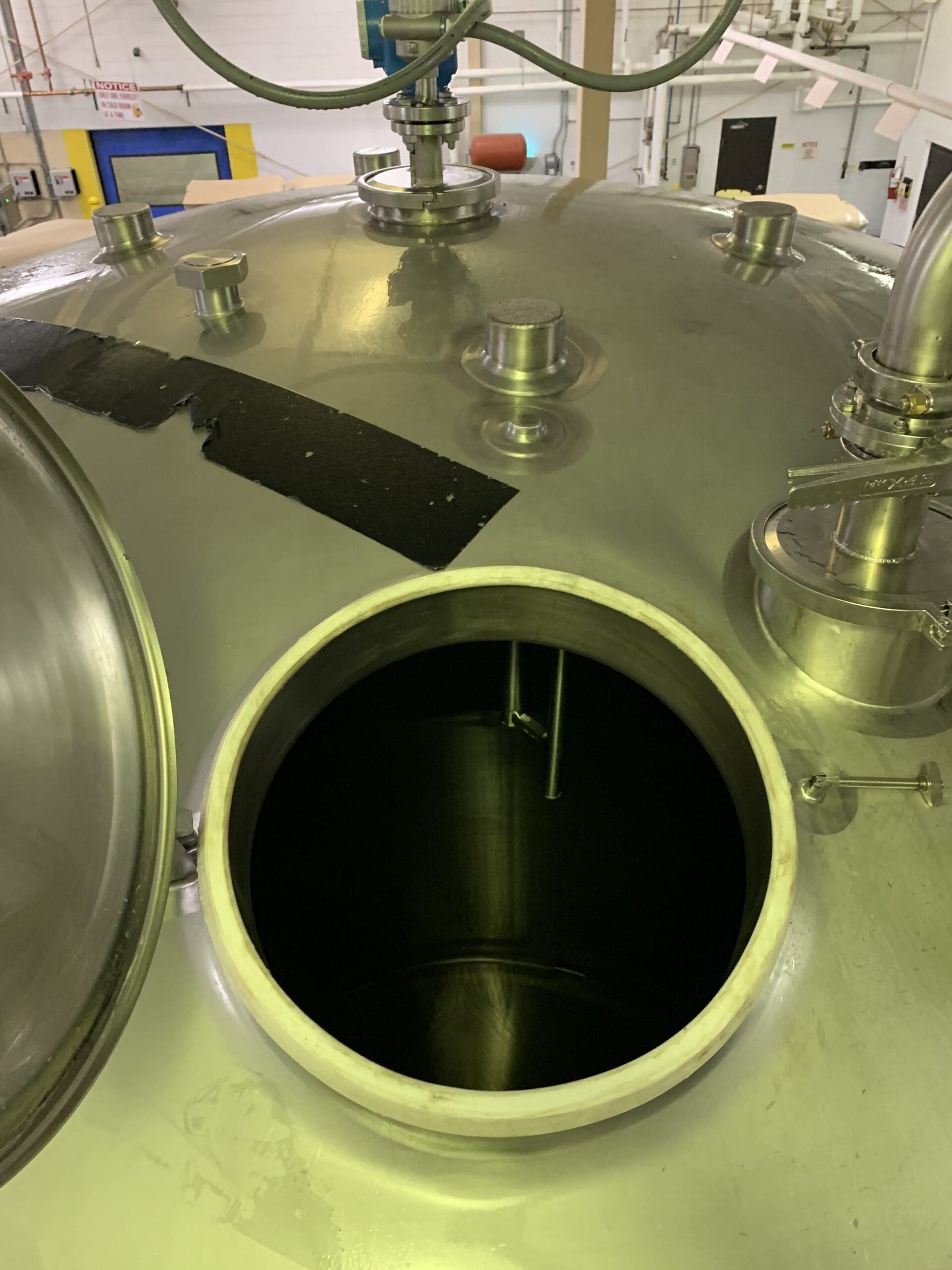
A food-manufacturing plant reported a positive Listeria result from environmental swabbing. We responded immediately with an intensive remediation to contain the risk and re-establish a safe production environment.
Challenge
Positive environmental detection in a production room, with potential for drain and surface harborages and risk of product contamination and regulatory escalation. Rapid containment and verification were required to avoid shutdown or recall.
Immediate Response
- Rapid mobilization: team on-site same day and operated around the clock until containment verified.
- Targeted foaming: continuous application of food-safe foaming disinfectant across the affected room’s floors, walls, equipment bases, and known harborages to maximize contact time on surfaces and drains.
- Focus on drains: directed repeated foaming and agitation of drain inlets and accessible drain lines where Listeria commonly persists.
- Containment measures: quarantined affected areas, tightened traffic controls, and prevented cross-contamination while remediation proceeded.
- Verification sampling: follow-up swabs taken at defined intervals post-treatment to monitor progress.
Outcome
- Containment achieved within a short response window; follow-up swabs returned negative in the treated areas.
- No worker-safety incidents during the operation.
Case StudyOven Fire Remediation
Overview
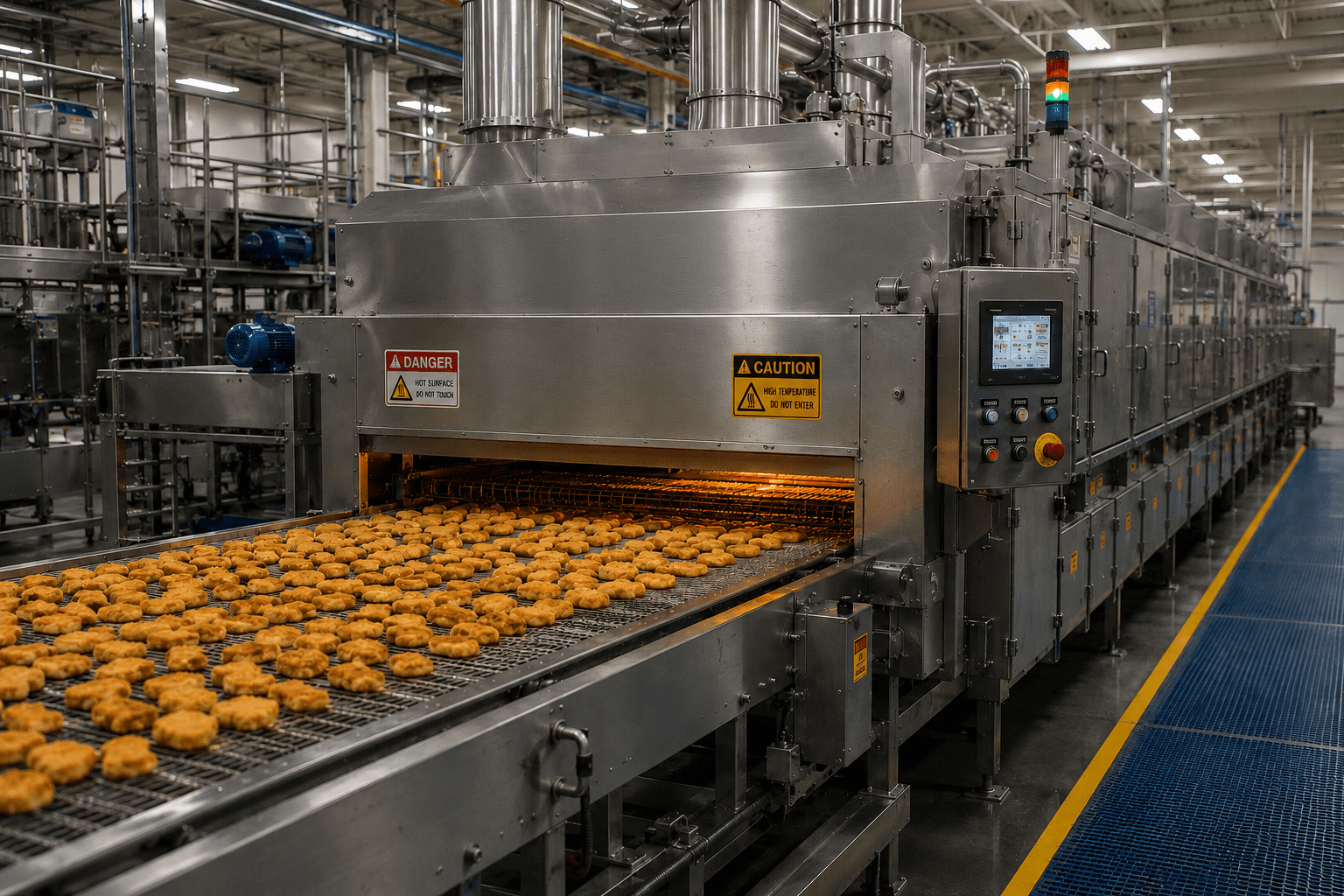
A food-manufacturing plant experienced a fire inside an industrial oven. After fire suppression, the oven interior contained charred debris and residue that required confined-space entry and controlled cleaning before restart.
Challenge
Access was limited; residues threatened product safety and could damage oven components. Work required strict confined-space controls, prevention of cross-contamination, and rapid turnaround to minimize production downtime.
Actions
- Safety & planning: completed hazard assessment, implemented lockout/tagout, confined-space permit, continuous air monitoring, ventilation, rescue standby, and PPE protocols.
- Isolation & containment: isolated oven from production, removed loose combustible debris, and established containment to protect surrounding equipment.
- Mechanical cleaning: used industrial vacuums, stiff brushes, and scrapers to remove char, soot, and baked-on deposits from drum surfaces, conveyor paths, baffles, and access ports.
- Detailed finishing: wiped critical food-contact surfaces, inspected seals, bearings, sensors, and heating elements for damage, and performed borescope checks of hard-to-reach areas.
- Verification: swab and visual inspections, trial heat cycles, and functional checks before returning the oven to service.
- Documentation & handover: provided before/after photos, cleaning logs, and operator guidance for monitoring.
Results
- Oven returned to hygienic, operational condition without equipment damage.
- No contamination or safety incidents; production resumed after verification testing with minimal downtime.